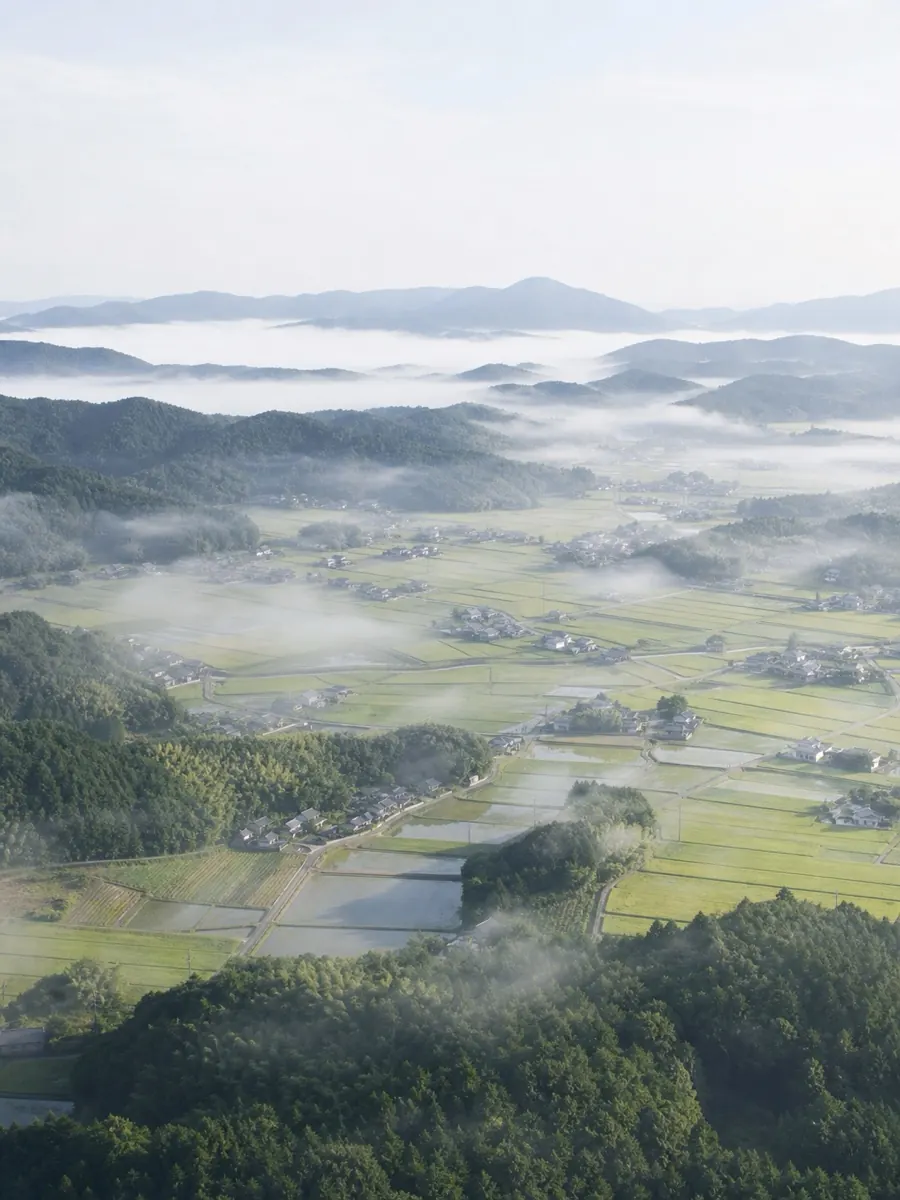
Seen from outside the region, some things are hard to read.
The grading, the numbers, how far it can travel.
Here are the questions we are asked most, answered as far as we know the answers.
The questions we are asked
About Iga Beef
What the name requires, and why it has never been sold by grade.
Once this is clear, the rest follows quickly.
The name and its definition
01What is Iga Beef?
02Why is no A5 grade quoted?
This is not a judgement on the grading system. It is a different tradition of choosing.
03How does it differ from Kobe or Matsusaka beef?
Further back, Iga is recorded as a source of feeder cattle for the Matsusaka and Omi regions.
04How rare is it?
The small number is not a matter of holding back. When every animal is looked at individually and raised with that much care, this is what a year comes to.
05Iga is known for ninja. Is there a connection to the beef?
What the records do show is older. Kokugyū Jūzu, a catalogue of Japan’s notable cattle compiled in 1310, already lists the cattle of Iga. Cattle have been raised in this valley for about as long as the ninja have been remembered — that much can be said.
Sourcing and export
What is settled, we state. What is not, we say is not.
With so few animals, terms change with the destination and the season.
Shipping and arrangements
06Can it be exported? Where has it gone?
The paperwork and procedures differ by destination, so tell us which market you are in and we will come back with what can actually be arranged.
07Is halal supply available?
We do not display a certifier's mark on this site. Halal certification belongs to the processing facility, not to us, and we will not present ourselves as holding one. Requirements differ by market, so tell us what yours asks for and we will confirm what can be put in place.
08What about cuts, minimum order, lead time, chilled or frozen?
Tell us the destination, the volume you have in mind and the cuts you want, and we will come back with what can be arranged and when.
09What does it cost?
Once the volume and the cuts are settled, we will quote.
Checking what you have
The name travels with the route it came by.
Here is what to look for when you meet it outside the region.
Authenticity and this site
10How do I know it is genuine?
If you meet the name outside the region, ask which route it came by. The Mark page explains the trademark in full.
11Who operates this site?
The Iga Beef Production Promotion Council owns the trademark. It does not operate this site, and this site does not speak on the Council's behalf.
If your question is not here, ask us. Where we do not know, we will say so.
We will listen at the source, and propose in keeping with the Iga way.
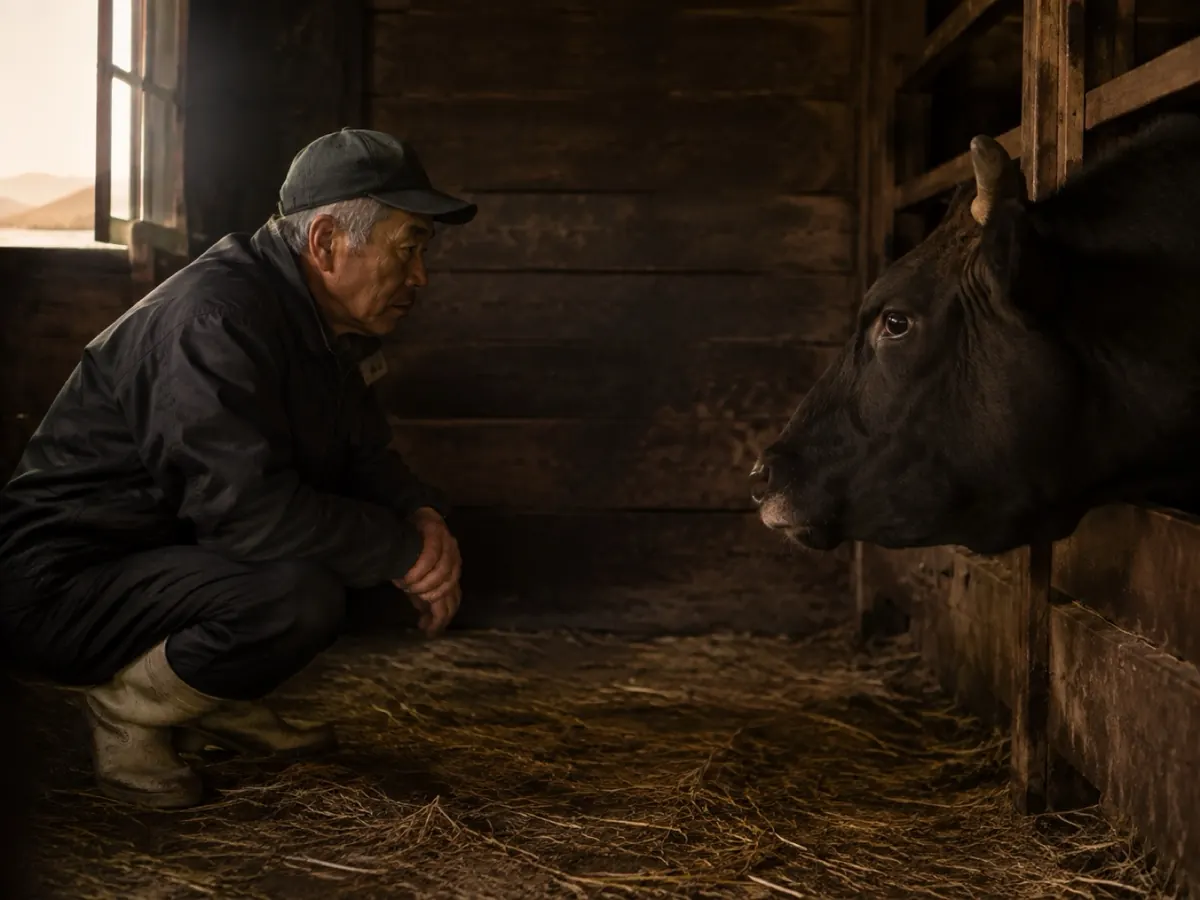
For the questions still left
Tell us your market and the volume you have in mind, and we will come back with what can be arranged.
An early enquiry is welcome.