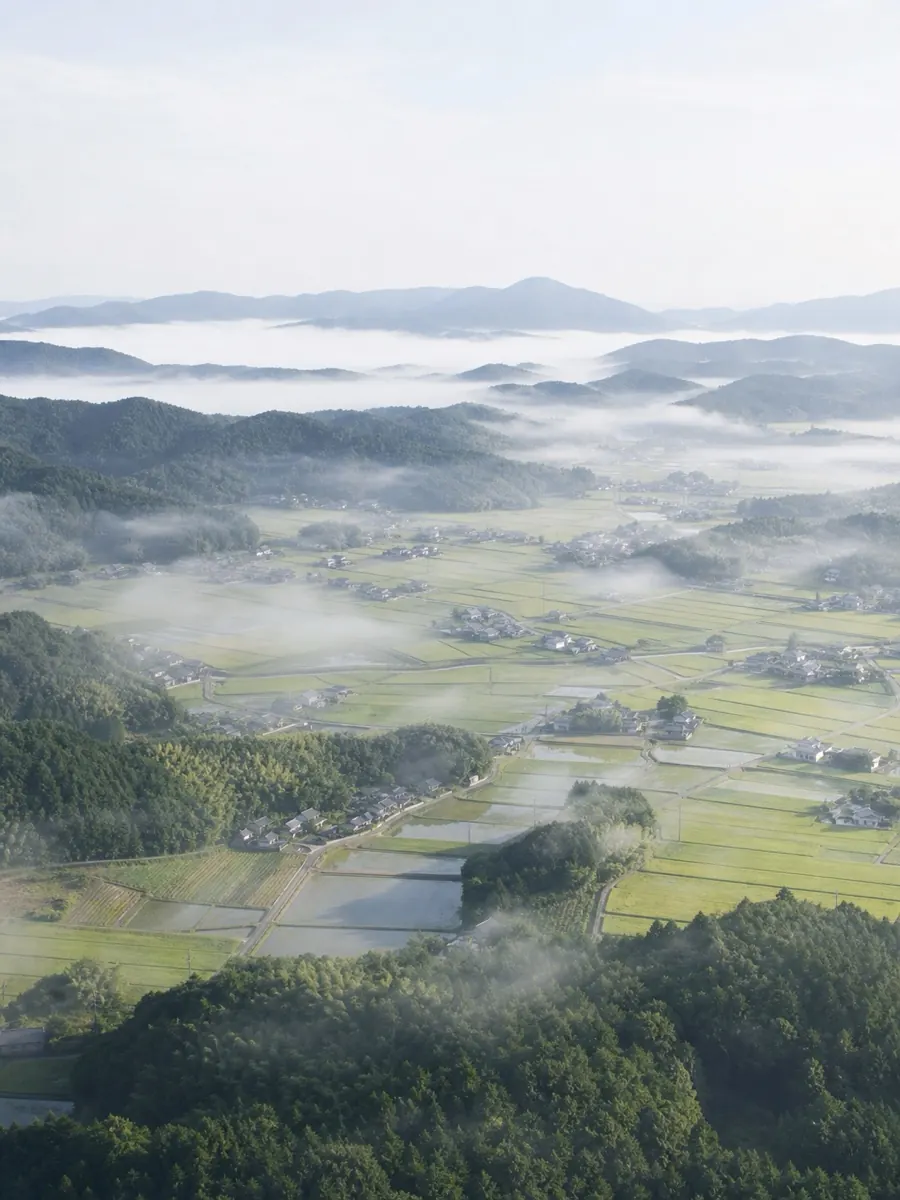
A basin ringed by mountains, where morning mist rises.
Warm days, cool nights, and mountain water feeding the fields.
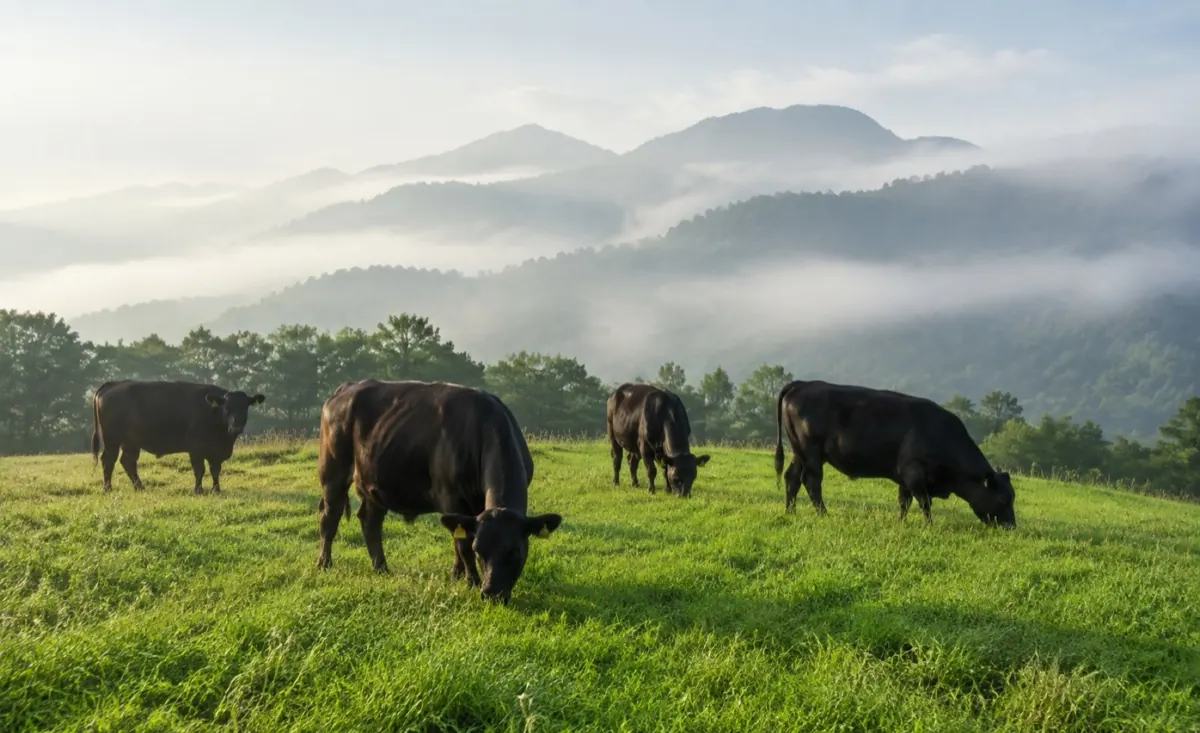
In this quiet, the cattle grow slowly.
Not hurrying is what makes them well.
Health made by the land
Mist, cool nights, water
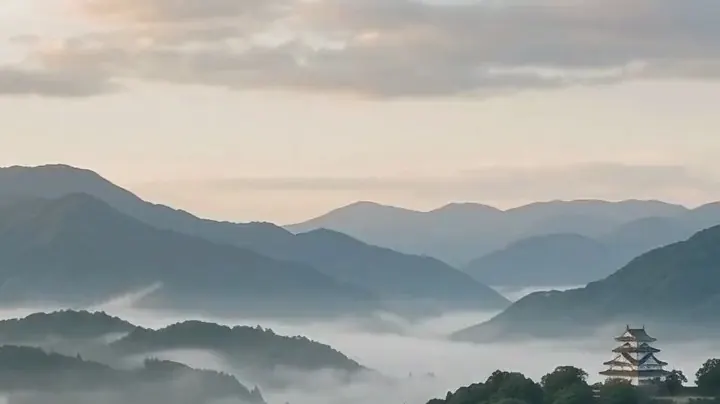
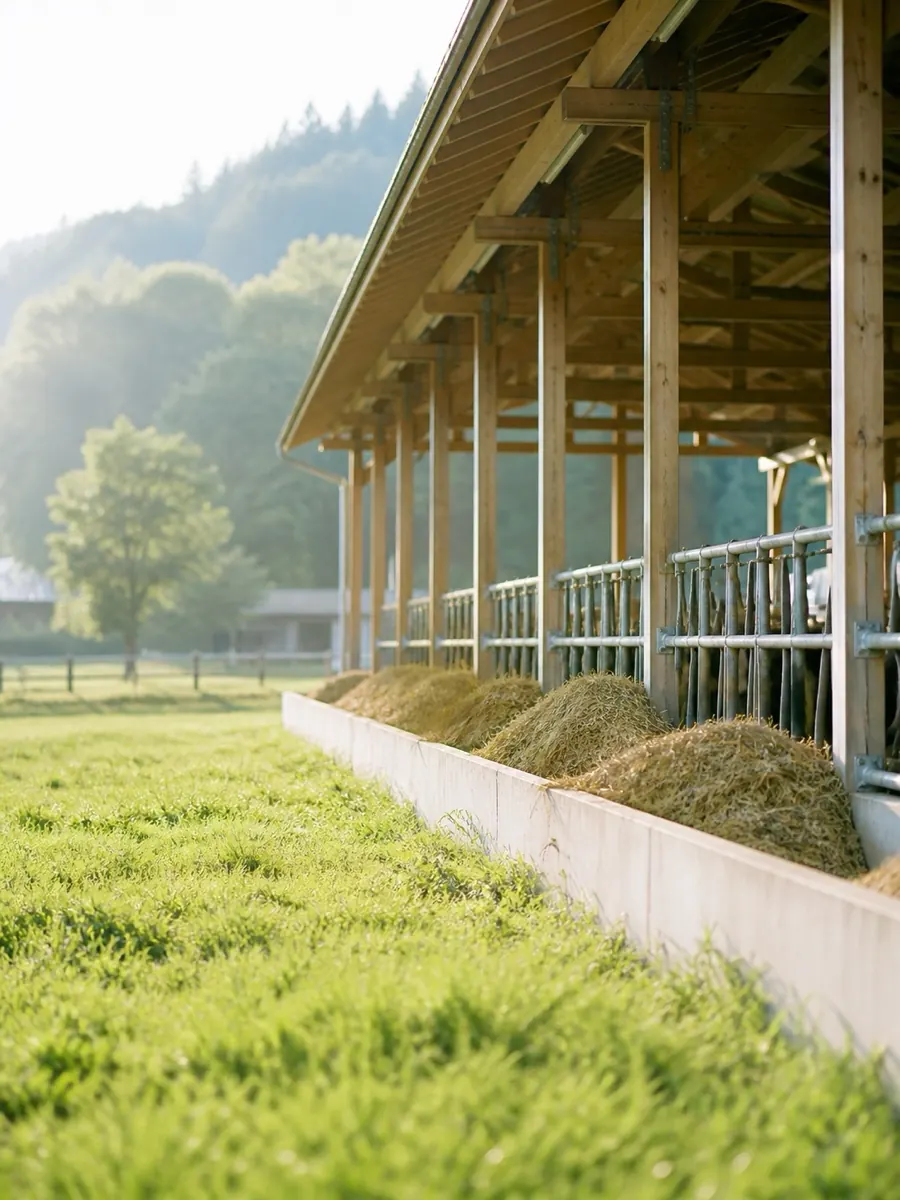
Iga lies at the western edge of Mie, a basin ringed by mountains. Mornings are deep with mist; days are warm and nights are cool.
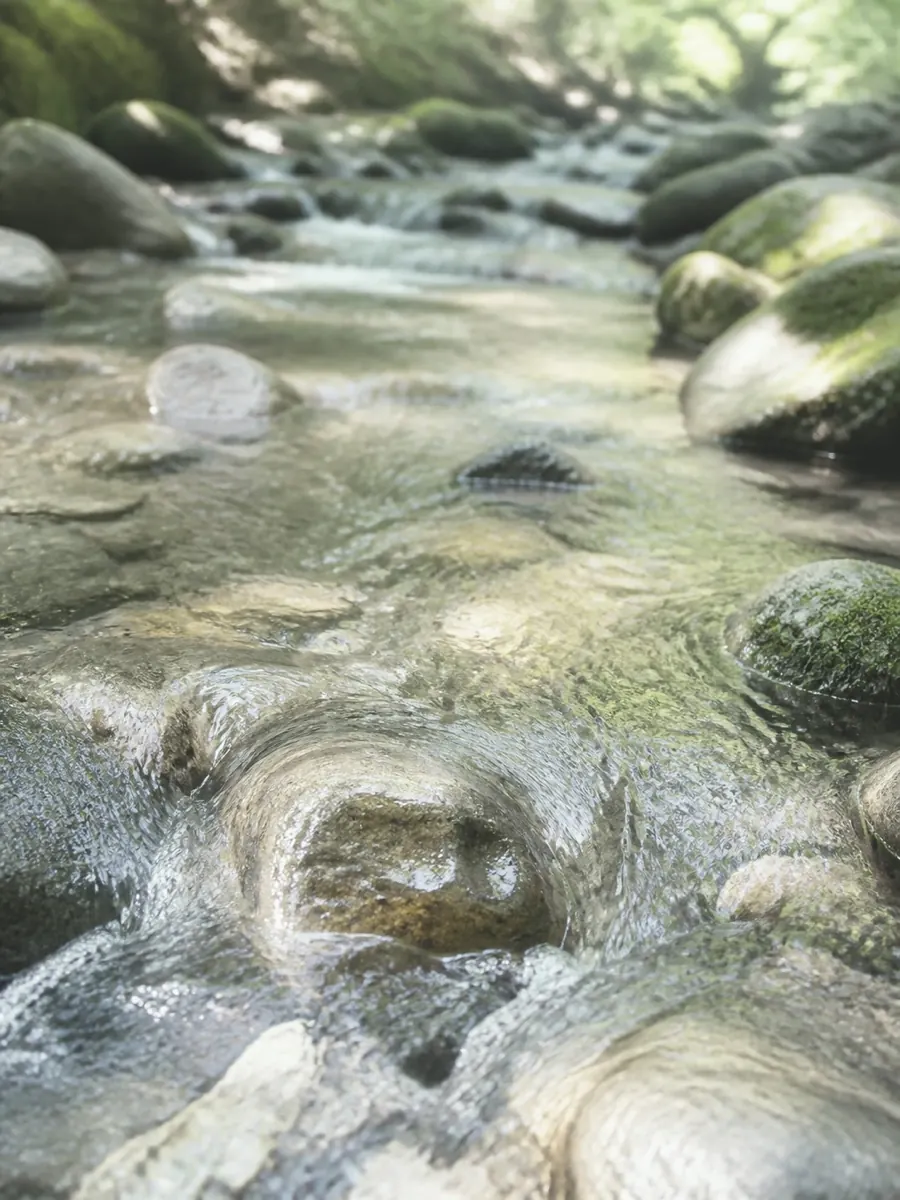
Water from the mountains feeds the fields — and has long given rise to sake prized across Japan.
The conditions for cattle to grow well were here from the start.
Waiting thirty months
Cattle traded in the farmyard as Iga Beef are generally 30 months or older, and around 700 kg.
Rather than pushing for weight, the farmer waits for the frame to fill out.
It takes care, and it keeps the numbers small. Still, the way of raising has not changed.
The path of raising
From the day the calf arrives to the day it stands, alive, before a buyer's eye.
Summary based on public information from Iga City, Mie Brand, JA Iga and the Iga beef cattle exhibition.
Meet the people who raise them.
For chefs and buyers, we arrange visits to the farms — walking the farmyard and hearing from the people who raise the cattle.
The land and the labor, seen firsthand.