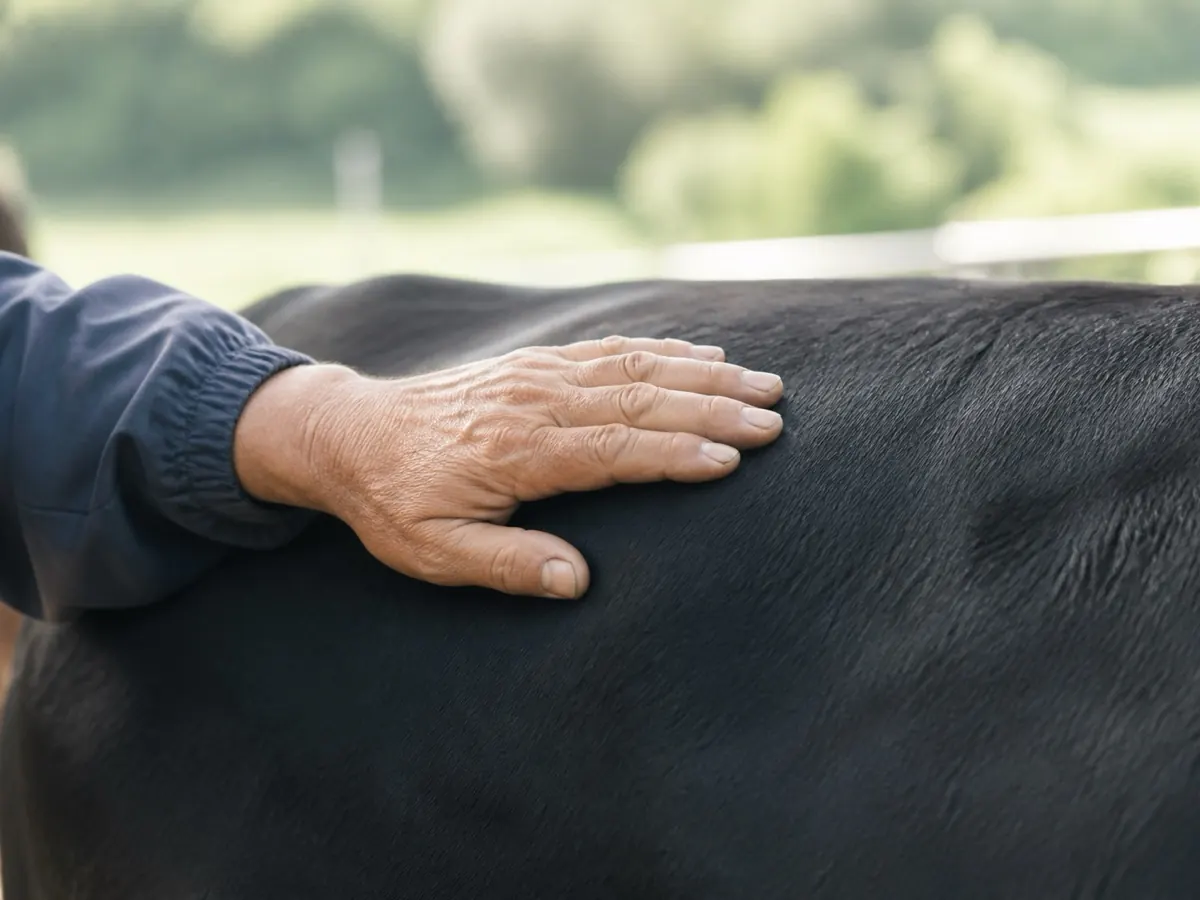
Not the grade of the carcass, but the living animal.
The fullness of its frame, the luster of its coat, its calm bearing —
judged in the farmyard by a trained eye, one animal at a time.
The Iga way, unchanged for seventy years.
Choosing healthy cattle, by eye
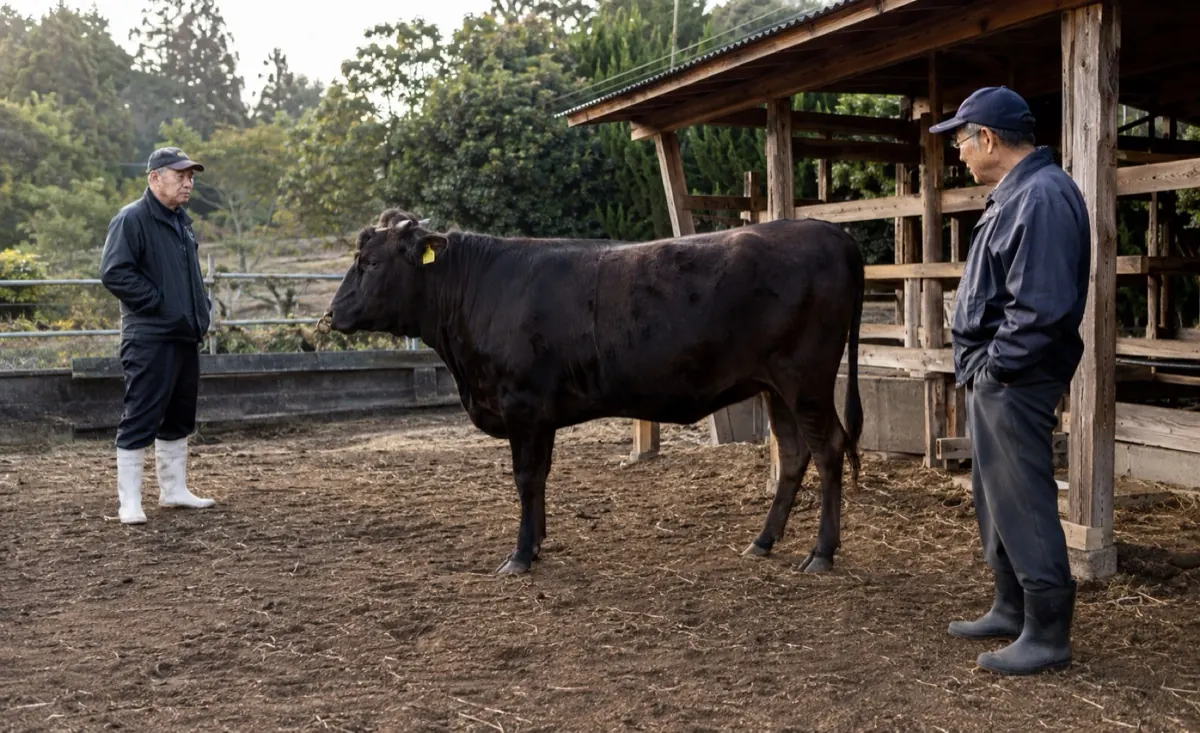
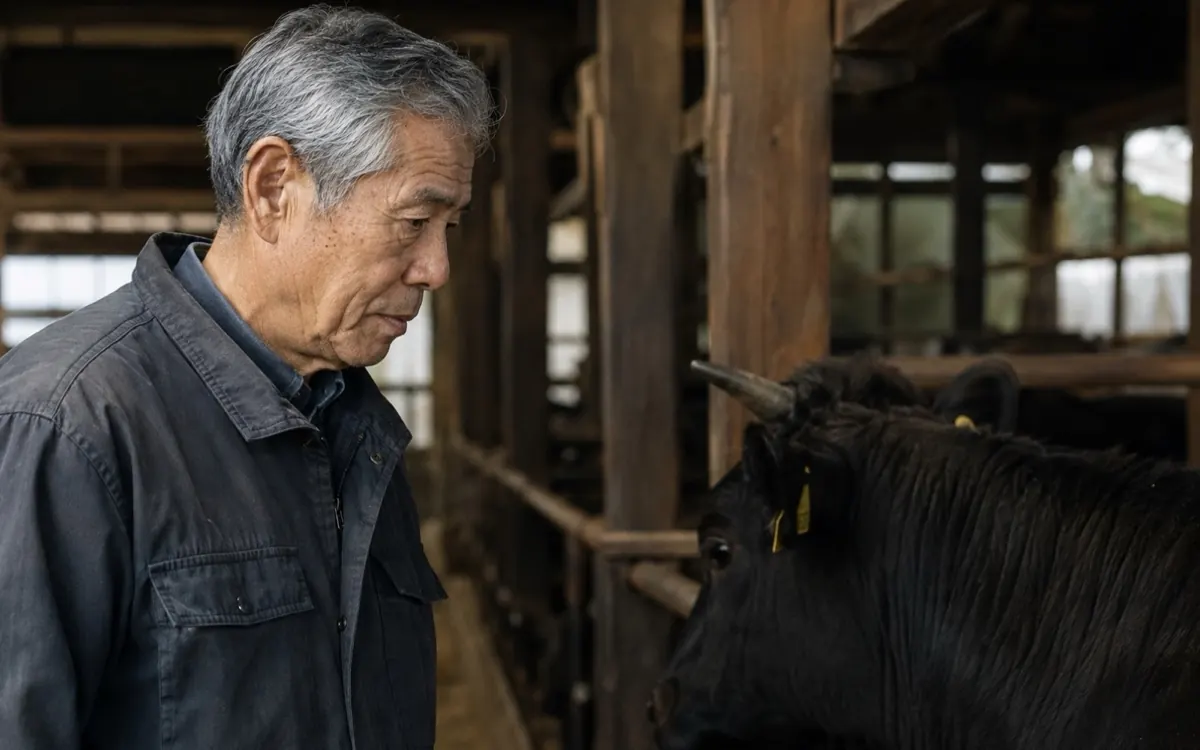
Face to face with the living animal
About 80% of Iga Beef changes hands as living animals, bought by buyers with a trained eye in the farmyard before slaughter.
The order of choosing is the reverse of most wagyu, where the carcass grade sets the price.
First, the animal must be healthy. Flavor follows.
What a trained eye sees
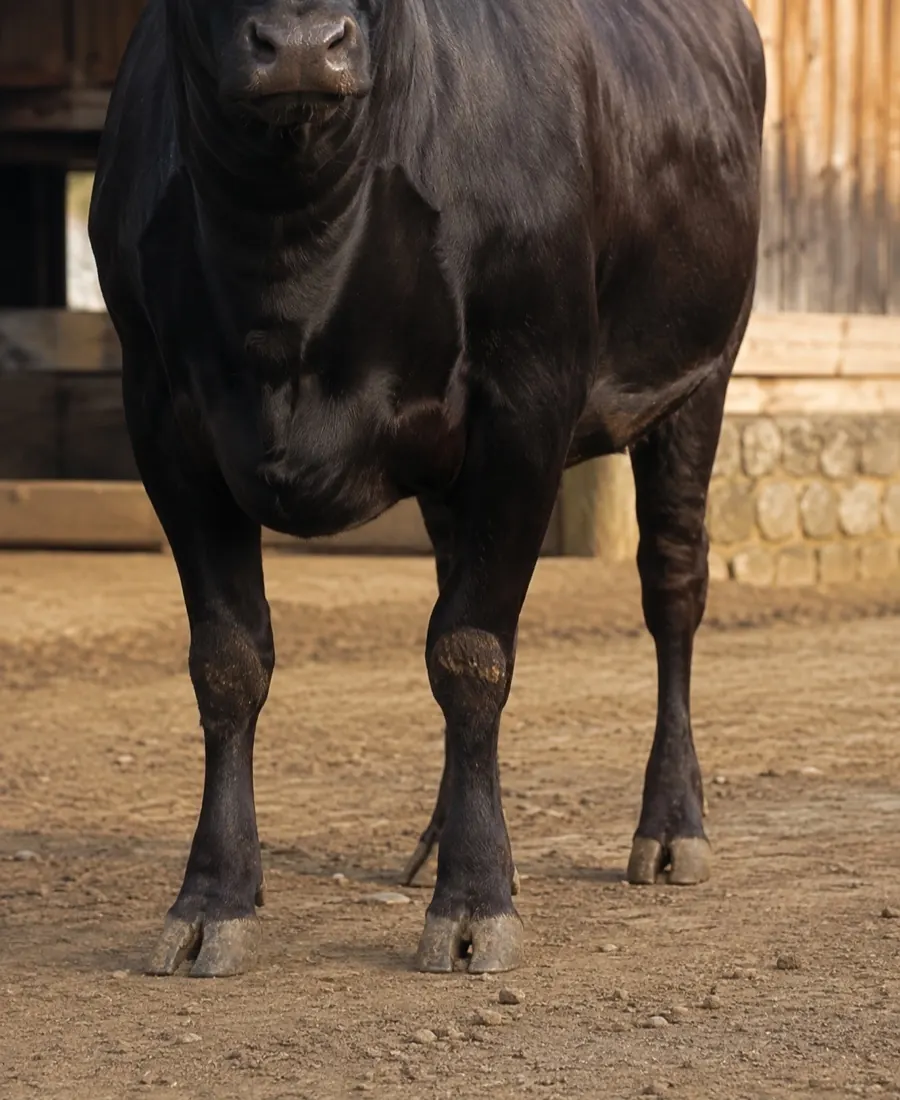
The fullness and width of the frame, the luster of the coat, the way it walks, the poise of a heifer.
Signs of health that no number can capture — the eye reads them, one animal at a time.
Only cattle raised in good health may bear the name Iga Beef.
After the eye: from farmyard to table
An animal chosen alive becomes meat within Iga, and reaches the counters of Iga.
Only a small share ever leaves the region.
Summary based on public information from Iga City, Mie Brand, JA Iga and local butchers.
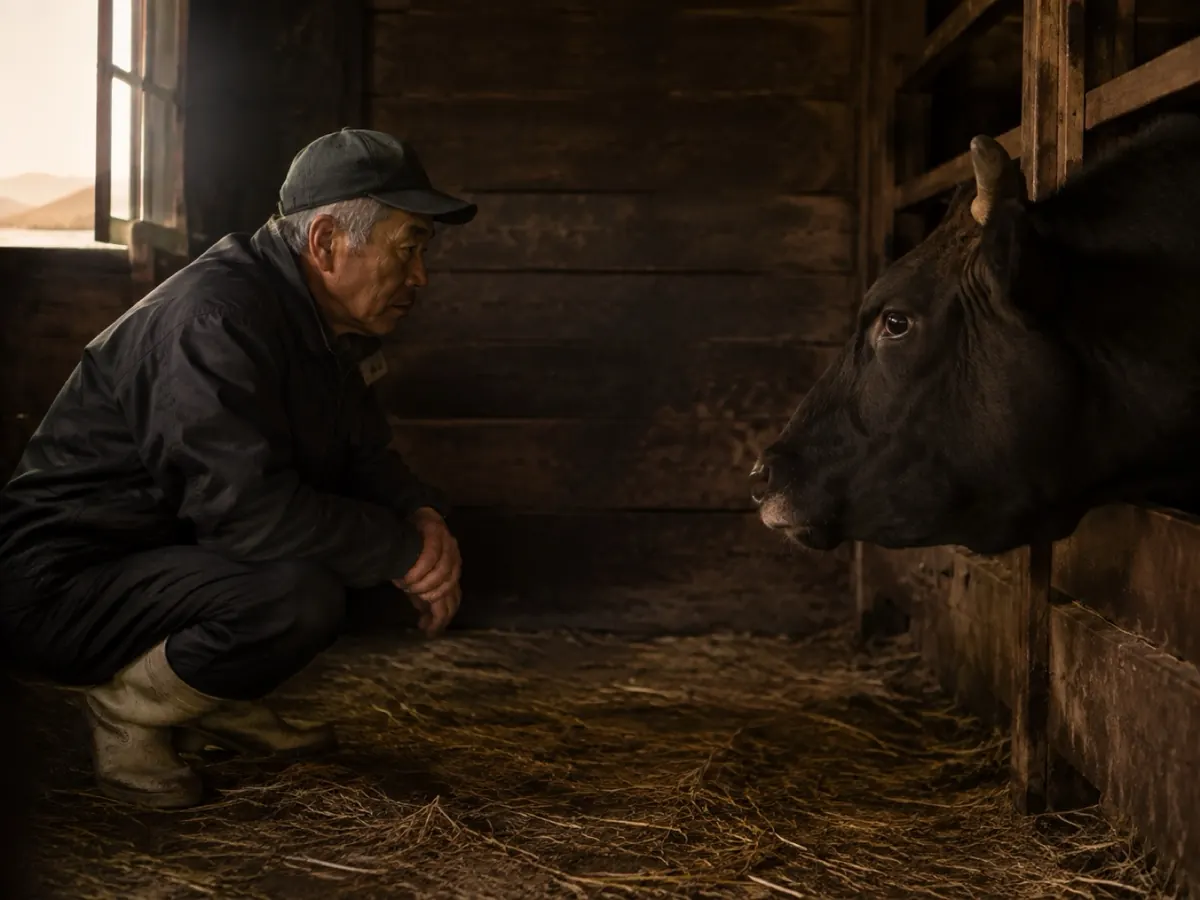
See the healthy cattle, with your own eyes.
For chefs and buyers, we arrange visits to the source — walking the farmyard alongside the buyer and seeing the living animals.
A health no number can convey, seen in Iga.